
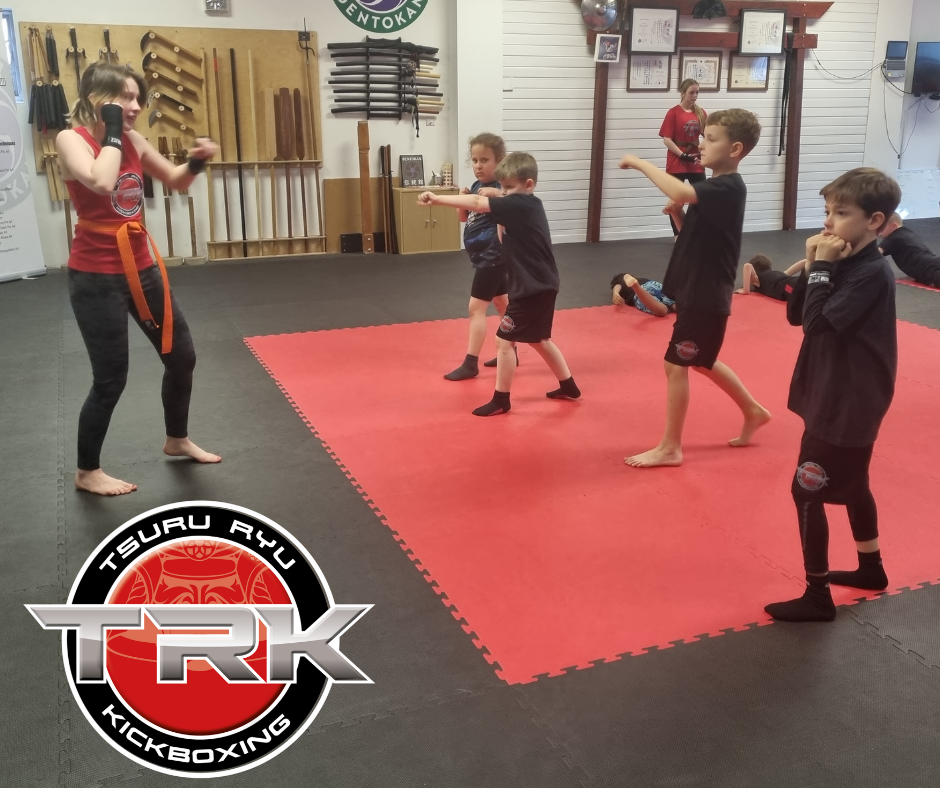
SKMA’s current Junior Kickboxing programme is for children aged 7–12, but the public page does not say that sparring or competition is required. It also does not say that either is optional, available or excluded.
The useful answer is therefore not to guess from the word “kickboxing”. Ask three separate questions: what happens in the ordinary class, whether sparring is part of training, and whether formal competitions form any part of the programme. A parent can then decide from SKMA’s current arrangements rather than another club’s rules or a stereotype about the sport.
Class training, sparring and competition are different questions
These terms should not be treated as interchangeable:
- Class training is the ordinary session your child is offered. SKMA describes its route around kickboxing, fitness, mental discipline, teamwork and growing confidence, but does not publish the activity-by-activity format.
- Sparring generally means practising with a partner under a defined training format. The programme page does not say whether, when or how SKMA uses it.
- Competition is a formal event context with rules, eligibility, selection and practical arrangements. SKMA’s public pages do not publish a competition pathway or say that children enter events.
For example, WAKO publishes a separate rules framework for sanctioned kickboxing competitions. That framework shows why an event is a different context from an ordinary class label; it is not evidence that SKMA belongs to WAKO, follows those rules or enters any competition.
The existing guide to seven questions before a Junior Kickboxing class covers the wider first-visit checks, including contact, partner work, equipment and support needs. This article stays with the narrower participation decision: whether joining the programme would also mean agreeing to spar or compete.
What SKMA currently confirms
SKMA currently confirms that:
- Junior Kickboxing is for children aged 7–12;
- the programme trains at its Totton academy;
- complete beginners can start with the experience; and
- families can use the free week to receive suitable current session options.
It does not publish whether sparring appears in the class, whether competition opportunities exist, whether either activity is optional, or what protective equipment, consent, selection and supervision would apply.
That absence should not be turned into either a promise or a warning. It means the parent needs a current answer from SKMA. If your child is still deciding between training routes, use the separate comparison of Junior Martial Arts and Junior Kickboxing in Totton.
Ask two questions before the first class
Start with the ordinary session, because that is what your child is being invited to try:
- Does the offered class include sparring or another form of partner contact? Ask what the activity involves, when it is introduced, how it is supervised, which protective equipment applies and what choices a new child has.
- Are competitions part of this programme? Ask whether events are not used, available by choice or expected at any stage. If they are available, ask how a child and parent decide whether to take part.
Avoid a combined question such as “Is it competitive?” That could describe the mood of a class, a partner exercise, selection for an event or a child’s personal goal. Precise questions make it harder for different meanings to be confused.
SKMA’s current FAQs confirm the age band and beginner route, but do not answer these two questions. Include them in the enquiry so the reply applies to the current class rather than an old social post or another academy.
If a competition is offered, slow the decision down
Sport England’s current guidance for parents and carers recommends talking to and listening to children, avoiding pressure into competitions that are too advanced, and asking five things before agreeing to an event: its purpose, supervision and safeguarding, expectations and support, selection, and the welfare contact.
Turn those points into a practical checklist:
- Why is this event suitable for my child’s age, experience and current goals?
- How are children selected, grouped, supervised and supported?
- What rules, contact level and protective equipment apply?
- Is participation genuinely optional, and can my child change their mind?
- What travel, entry, equipment and other costs would apply?
- Who handles a question or concern before and during the event?
Sport England’s wider advice for parents choosing a provider says parents should be able to review safeguarding arrangements, a welfare contact, complaints procedures, codes of conduct, consent and emergency processes. This is general guidance, not proof of SKMA’s procedures. Ask SKMA where its current information can be reviewed if competition is ever proposed.
Keep your child’s reason for joining in view
A child may want to learn kickboxing movements, be active, train with a friend or explore a new skill without wanting to compete. Another child may eventually become curious about an event. Neither preference should be invented for them from the programme name.
Before the first visit, ask your child what interests them and whether competition is something they want to discuss now, later or not at all. After a class, ask:
- What did you practise on your own and with a partner?
- Was any contact explained before it happened?
- Did you know what choices you had?
- Did anything feel competitive, and what did that mean to you?
- Would you like to return to the ordinary class?
Those answers help you judge the actual experience. They do not establish what future sessions or events contain, so keep any competition decision separate until SKMA gives you the current details.
Use the free week to get a current answer
SKMA’s free-week guide says families choose a programme, send a contact route and receive suitable session options. Select Junior Kickboxing and state plainly that you want to understand the sparring and competition position before your child starts.
SKMA lists its academy at Totton Activity Centre, Unit 5, Brokenford Lane, Totton, Southampton, Hampshire, SO40 9DY. Review the Totton location page before travelling and rely on the academy’s current reply for the session details.
If the published 7–12 route matches your child’s interest, book a free week and include these two questions: “Does the current class include sparring?” and “Does joining ever require competition?”