
The best way to assess a kids’ kickboxing class is to ask about the real experience before your child arrives. Check the age group, class content, contact, equipment, coaching safeguards, individual support and first-visit process. A clear answer to each point is more useful than assuming all junior kickboxing classes work in the same way.
SKMA’s Junior Kickboxing programme is listed for children aged 7-12 in Totton. Its public description focuses on kickboxing, fitness, teamwork and discipline, and the academy offers a free week. The public pages do not currently give a timetable, equipment list or detailed class format, so those details should be confirmed directly.
1. Is this the right age group for my child?
Start with the simplest fact. SKMA lists Junior Kickboxing for ages 7-12. If your child is younger, Little Ninjas is the listed 4-6 route; if they are approaching 13, ask which current programme is appropriate rather than guessing from an old page or directory.
Age is only one part of fit. Ask how the class is organised for children at different stages within the age band and what a new student will be expected to do during the first week.
2. What happens in a typical Junior Kickboxing class?
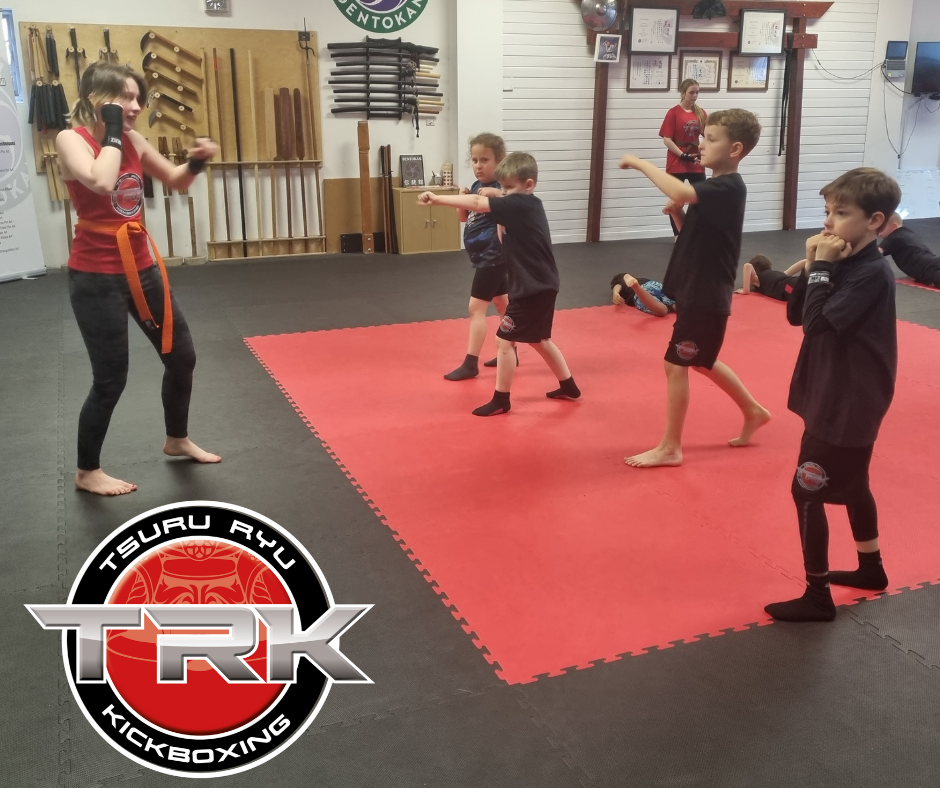
Ask for a plain-language outline: how the session begins, what kinds of movements or skills children practise, whether activities are individual, paired or group-based, and how breaks or transitions work. This helps your child picture the class and gives you something concrete to discuss with them.
Do not assume that another kickboxing club’s lesson structure applies at SKMA. Class formats, coaching approaches and progression systems can differ.
3. How are contact and partner work introduced?
“Kickboxing” alone does not tell a parent whether a particular children’s class includes contact, sparring or partner drills. Ask what the current Junior Kickboxing class includes, how activities are introduced and supervised, and what protective equipment is required for each part.
The aim is not to extract a one-word “safe” promise. It is to understand the actual activity, the boundaries around it and what your child will experience at their present stage.
4. What should my child wear or bring?
Before buying gloves, footwear, a uniform or any other specialist item, ask SKMA what is needed for the first visit and what, if anything, the academy provides. Also check practical details such as whether your child should bring water and where personal belongings are kept.
The current public SKMA pages do not verify these arrangements, so a direct answer from the academy is the reliable source.
5. What safeguarding and emergency information can I review?
The NSPCC Child Protection in Sport Unit’s current parent checklist recommends asking whether staff have been checked, whether the club has a safeguarding policy, what happens after an accident, who a parent can speak to and what training is provided.
Those are reasonable questions for any children’s activity. Ask SKMA where its current information can be reviewed and who handles a concern. This article does not claim an answer that the academy’s public pages do not currently provide.
6. How should I share a health condition or support need?
If your child has a disability, health condition, injury or other support need, explain what is relevant before the first class and ask how the current session could work for them. The NHS guidance for children and young people advises choosing exercise suited to a child’s age, ability and experience, starting a new activity gradually, and seeking medical advice about exercise when a health condition makes that appropriate.
An activity-centre address does not prove a particular class adjustment or access arrangement. Ask about the exact support or venue detail your family needs.
7. How does the free week work for Junior Kickboxing?
SKMA’s free-week route lets you choose Junior Kickboxing and send an enquiry. The academy can then provide the relevant current session options. The guide to what happens during an SKMA free week explains the published enquiry steps.
Before accepting a session, confirm the date and time, where to arrive, whether a parent can observe, what your child should bring and who to speak to on the day. These are questions, not claims about arrangements that have not been publicly verified.
Let your child help judge the fit
Sport England’s guidance on positive experiences says children’s needs, expectations and enjoyment should be central to activity design. After a visit, ask specific questions: Which part did you enjoy? Was anything confusing or uncomfortable? Would you like to try again?
One nervous first impression need not decide everything, but a child’s view should remain part of the decision. A free week is most useful when it is treated as a chance to observe and ask questions, not as a test the child must pass.
Plan the Totton visit
SKMA trains at Totton Activity Centre, Unit 5, Brokenford Lane, Totton, Southampton, Hampshire, SO40 9DY. Review the Totton academy page before travelling, then confirm the current session details through the academy.
If the answers to the seven questions fit your child’s needs, book a free week and select Junior Kickboxing. Keep the questions handy when SKMA responds so your family can make the decision from current information rather than assumptions.