For a child aged 7–12 at SKMA, choose which route to try first from the activity that interests them. Junior Martial Arts is SKMA’s traditional martial arts route; Junior Kickboxing is its TRK kickboxing route. Both are current Totton programmes for the same age band, and SKMA says complete beginners can join.
That is enough to make a sensible first choice, but not enough to claim that one programme is universally better. SKMA does not publish a full syllabus, class-by-class comparison, timetable, contact format or equipment list for either route. Use the differences the academy does confirm, ask about the specific session offered and let the free week show your family what the real experience is like.
The quickest way to choose
Start with one question for your child: which sounds more interesting to try—traditional martial arts or kickboxing?
- Choose Junior Martial Arts first if the traditional martial arts route is what attracts them.
- Choose Junior Kickboxing first if they are specifically curious about kickboxing.
- If the labels mean little to them, show them the two current programme pages and ask what they would like to experience rather than promising an outcome from either one.
This is a starting choice, not a permanent verdict. Sport England’s guidance on positive experiences for children says that what feels enjoyable and positive varies between children, and that children and families should be involved in decisions. The useful test is therefore not which label sounds best to an adult, but whether the child understands the activity, feels able to participate and wants to return.
What SKMA currently confirms
The two programme pages establish a clear shared starting point:
- both routes are for children aged 7–12;
- both take place at SKMA’s Totton academy;
- complete beginners can start with the experience; and
- both lead to the same free-week enquiry route.
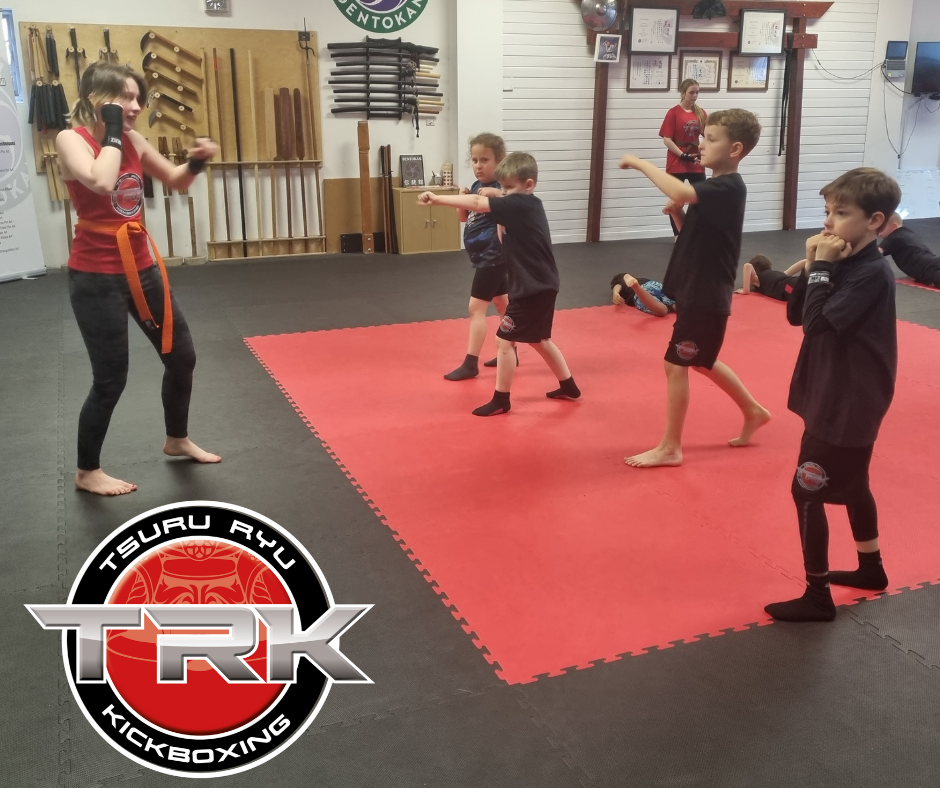
They also describe different focuses. Junior Martial Arts is built around traditional martial arts and is presented as a route into practical self-defence, fitness, discipline and growing confidence. Junior Kickboxing is built around TRK kickboxing and is presented around strength, agility, discipline, teamwork and growing confidence.
Treat those as programme descriptions, not guaranteed results for an individual child. The pages do not prove that one class is faster, quieter, more competitive, more technical, less contact-based or easier for a beginner.
Do not choose from stereotypes
It is tempting to assume that traditional martial arts must be slow and formal, or that junior kickboxing must involve immediate sparring. SKMA’s public information does not support either assumption.
Before accepting a session, ask the academy to explain:
- what a complete beginner will do in that class;
- how much time is spent on individual, partner and group activities;
- whether contact or sparring is included, and how it is introduced;
- what clothing or equipment is needed for the first visit; and
- how a child with a relevant health condition or support need can be discussed before attending.
The existing guide to seven questions before a Junior Kickboxing class goes deeper on contact, equipment, safeguarding information and support needs. Those details are important whichever route you are considering; they should be answered from the current class arrangements, not guessed from another club.
Let the child’s reason shape the first trial
A child may be choosing because they like the look of particular movements, want an activity that is not a team game, have seen kickboxing, or simply want to train with someone they know. Ask what has caught their attention.
If your child is worried about being new, the guide Can a 10-Year-Old Start Martial Arts as a Beginner in Totton? explains why being inside SKMA’s 7–12 age band matters more than having started at the youngest age. For a wider overview of all six routes, use the short SKMA programme chooser.
Avoid turning the choice into a test of personality. An energetic child is not automatically a kickboxer, and a quiet child is not automatically better suited to traditional martial arts. The programme description gives you a direction; the actual session tells you whether the coaching and activity fit this child.
Use the free week as evidence
After each visit, ask specific questions rather than “Was it good?”:
- Which activity did you most enjoy?
- Was any instruction hard to understand?
- Did you know what to do when something was new?
- How did the individual, partner or group parts feel?
- Would you like to go back to this class?
Also compare the practical facts in SKMA’s reply: the exact programme, current session, arrival instructions, clothing, equipment and anything that would apply after the free week. The guide to what happens during an SKMA free week explains the published enquiry steps, but it does not invent commitments that SKMA has not made public.
For any children’s activity, the NSPCC Child Protection in Sport Unit’s parent checklist recommends asking about staff checks, the safeguarding policy, accident procedures, who parents can speak to and staff training. Ask SKMA where its current information can be reviewed; this article does not claim answers that the public pages do not provide.
Plan the Totton visit
SKMA lists its academy at Totton Activity Centre, Unit 5, Brokenford Lane, Totton, Southampton, Hampshire, SO40 9DY. Review the Totton location page and the current SKMA FAQs, then confirm the session before travelling.
When your child has a first preference, book a free week and select Junior Martial Arts or Junior Kickboxing. If they remain undecided, say that in the enquiry and ask which current trial arrangement will give them the clearest comparison.