
For a child aged 4–6, choose the experience before the promised outcome. Compare what children actually do, the provider’s exact age band, whether the session is mainly personal practice or shared play, how much adult involvement is expected, and whether your child can try it before you make a longer commitment.
Current local pages show several age-specific routes in Totton, including martial arts, football, swimming and performing arts. They are not interchangeable, and no activity is automatically best for every child. This guide gives you a practical way to compare them without ranking providers or assuming that a class will produce a particular health, confidence or behaviour result.
Start with what your child wants to do
Ask a concrete question: would your child rather copy movements, chase a ball, spend time in the water, or sing and act out a story? A four-year-old may not be able to explain a long-term preference, but they can often show curiosity about the activity itself.
Sport England’s guidance on positive experiences for children says that what feels enjoyable and positive varies between children, and that children and families should be involved in decisions. That is a useful comparison principle, not evidence that one Totton class will suit every child.
Try to separate your child’s interest from an outcome advertised by a provider. “They want to kick a football” or “they keep copying martial arts movements” gives you something observable. A broad promise about confidence, discipline or development does not tell you whether they will enjoy the weekly experience.
Compare the activity, not just the age label
Official local pages currently describe different kinds of activity for this age range:
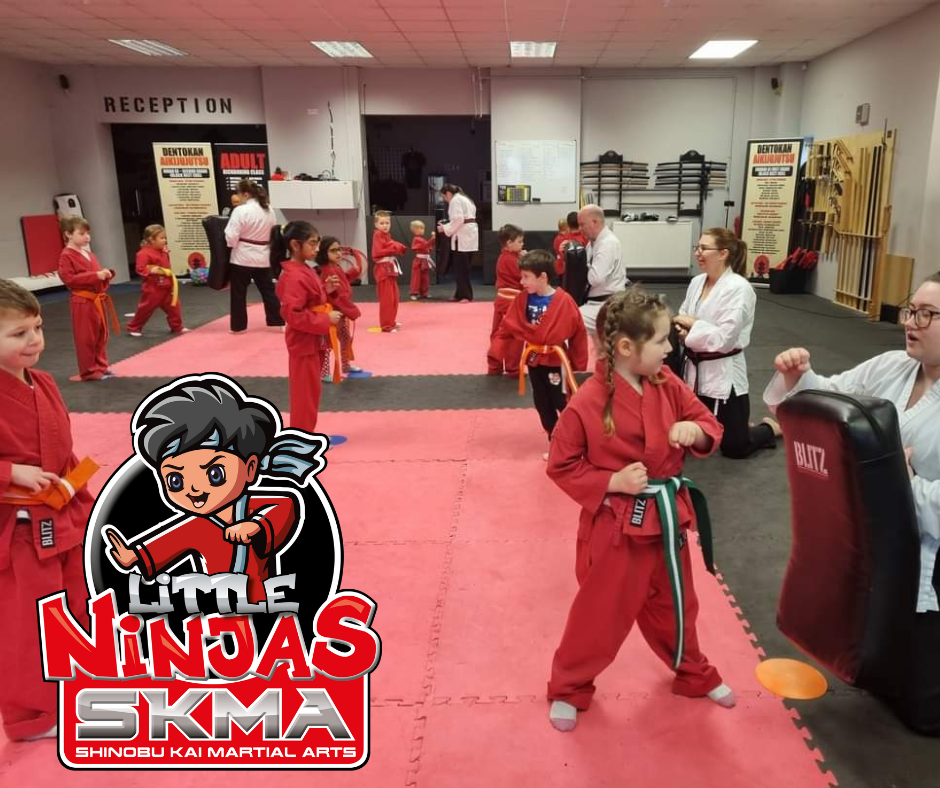
- SKMA’s Little Ninjas programme is for ages 4–6 and is described as an age-appropriate blend of movement, personal development and character-building.
- Little Kickers at Totton Health and Leisure Centre divides children around the fifth birthday into different football groups.
- Totton Health and Leisure’s swimming page lists family swimming and a junior swim school, while directing families to its current timetable and availability.
- Stagecoach Totton lists an Early Stages performing-arts route for ages 4–6 based on singing, dancing and acting.
These links show the range of experiences a local search can uncover; they are not endorsements, and their details can change. Use each provider’s current page or reply rather than copying a timetable, price or age rule from an old listing.
Check the exact age band and transition point
“For young children” is too vague. Ask which group applies on the date your child would start and what happens when they reach the upper age limit. Some providers use a broad 4–6 band, while others divide children at a birthday or school-stage transition.
Age eligibility still does not prove individual fit. If your child has a disability, health condition or support need, explain the relevant detail and ask how the proposed session could work for them. Do not infer an adjustment, access arrangement or coaching practice from the venue alone.
For martial arts specifically, the existing guide Is Your 4-Year-Old Ready for Martial Arts? offers a separate readiness checklist. This article is about choosing between activity types, not deciding whether a child passes a readiness test.
Ask how the session actually works
Labels such as team, individual or group activity can hide the real format. A football session may include individual ball practice. A martial arts class may combine group instruction, personal repetition and partner work. Swimming and performing arts can also vary in how children participate and how much they wait, copy or take turns.
Before booking, ask:
- What will a new child do during a typical session?
- Is a parent expected to join in, remain nearby or leave the activity space?
- How are children grouped, and what happens if they need a short pause?
- Are partner activities, physical contact or specialist equipment involved?
- What should the child wear or bring for the first visit?
These questions are more useful than assuming a format from the activity name. For a wider discussion of personal practice inside a group, see the guide to martial arts for children who do not enjoy team sports; that article is aimed at ages 7–12.
Put one weekly class in perspective
The NHS guidance for children under 5 encourages varied movement throughout the day, including active and outdoor play. Its separate guidance for ages 5–18 recommends a variety of activity across the week and says exercise should suit a child’s age, ability and experience.
Because the 4–6 range crosses those guidance groups, avoid turning one class into a calculation or guarantee. A weekly activity can add structure and introduce a skill, while playground time, walking, cycling, dancing, swimming and other everyday movement still matter.
Compare the practical commitment
An enjoyable activity still needs to work for the family. Ask every provider for current answers on the timetable, arrival time, session length, location, clothing, equipment, trial terms, total cost and any notice or cancellation requirement. Ask where its safeguarding policy and concern-reporting route can be reviewed; do not settle for an unexplained claim that a class is safe.
SKMA does not currently publish a timetable, price, first-visit kit list, parent-observation arrangement or post-trial commitment for Little Ninjas. The verified facts are the 4–6 age band, the Totton programme and the free-week enquiry route. Check the Totton academy location and current SKMA FAQs, then ask for the remaining details before travelling.
Use the first visits to make the decision
After a trial, ask your child simple, specific questions: What did you like doing? Was anything confusing? Would you like to go again? Also notice whether the class description matched the real experience and whether the practical arrangements worked for you.
You do not need to choose a lifelong activity at age four, five or six. You need enough current information to choose a sensible next experience. If your child wants to explore martial arts, book a free week and select Little Ninjas so SKMA can share the current session options.